

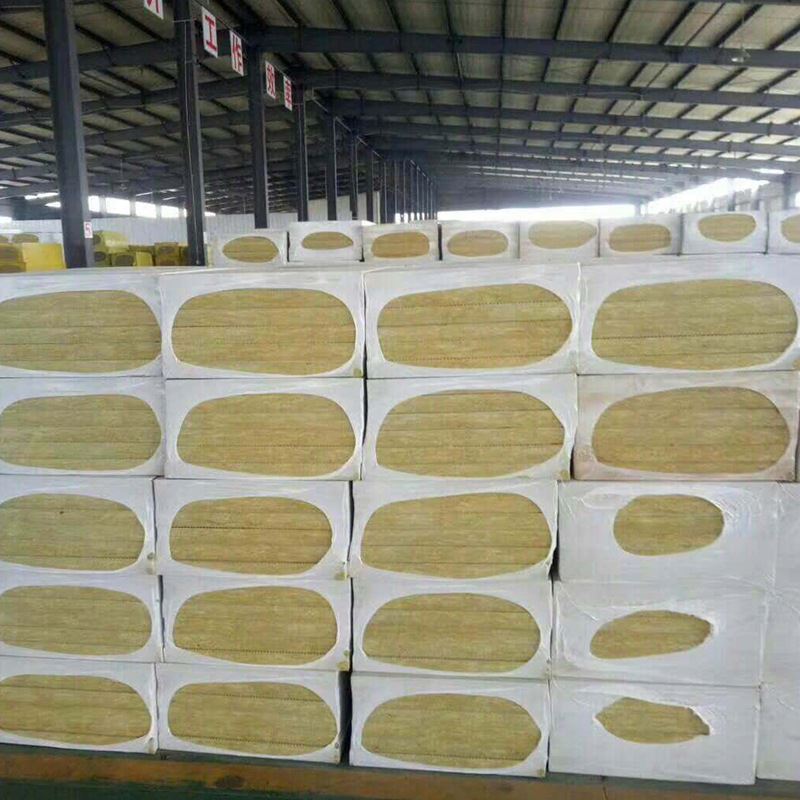
Thermal Roof Insulation Glass Wool
Thermal roof insulation glass wool is a high-performance glass mineral wool designed to minimize heat transfer across roof, ceiling, and building envelope assemblies. Engineered for thermal efficiency, acoustic insulation, and fire safety, it is supplied as rolls, blankets, batts, and rigid boards with customizable thicknesses, densities, and facing configurations.Products are manufactured to comply with major international building codes and standards, including EN 13162, ASTM C553/C665, and ISO 9001 quality management systems.
Technical Specifications
|
Parameter |
Technical Specification |
Test Standards |
|
Material |
High-purity glass mineral wool (recycled glass content >= 60%) |
ISO 14021 |
|
Product Forms |
Rolls, Blankets, Batts, Rigid Boards |
EN 13162 / ASTM C167 |
|
Thermal Conductivity |
0.032 W/m·K to 0.044 W/m·K (at 10°C) |
EN 12667 / ASTM C518 |
|
Density Range |
10 kg/m³ to 80 kg/m³ |
ASTM C303 / EN 1602 |
|
Thickness |
25 mm to 200 mm |
EN 823 / ASTM C167 |
|
Width |
400 mm, 600 mm, 1200 mm (Customizable) |
EN 822 |
|
Length |
5 m to 20 m (Rolls) / 1.2 m to 2.4 m (Batts) |
EN 822 |
|
Facing Options |
Unfaced, Reinforced Aluminum Foil (FSK), Kraft Paper, Black Glass Tissue |
ASTM C1136 |
|
Fire Classification |
Euroclass A1 Non-Combustible / Class 0 (BS 476) / Flame Spread < 25 |
EN 13501-1 / ASTM E84 |
|
Biosafety |
Bio-soluble fibers (EUCEB Certified, non-carcinogenic) |
EU Directive 97/69/EC |
|
Moisture Absorption |
< 1.0 kg/m² (Short-term water absorption) |
EN 1609 / ASTM C1104 |
|
Packaging |
Vacuum-compressed rolls/packs on ISPM-15 wooden pallets |
Export Standards |
Thermal & Energy Performance
Thermal Resistance (R-value) Formula: R = Thickness (m) / Thermal Conductivity (W/m·K)
Performance Example: A 100 mm thick roll with a thermal conductivity of 0.035 W/m·K provides an R-value of 2.86 m²·K/W (R-16.2 US equivalent).
System Integration: Insulation thickness should be specified alongside total roof U-value targets, accounting for framing elements, air gaps, and vapor control layers.
Applications
Pitched Roofs: Installed between or over rafters to provide seamless thermal coverage and prevent thermal bridging across framing.
Attics & Ceilings: Laid directly over ceiling joists in unheated attic spaces to isolate occupied living areas below.
Cold Roof Systems: Integrated into ventilated roof build-ups with suitable vapor retarders to mitigate condensation risks.
Metal Deck & PEB Roofs: Ideal for warehouses, factories, and logistics centers, offering thermal regulation, moisture barrier protection (with FSK facing), and rain noise reduction.
Freight & Container Optimization
High-Compression Packaging: Advanced compression technology reduces transit volume by up to 50% to 70% without compromising thickness recovery after opening.
Maximized Loading Capacity: A single 40ft High Cube (HQ) container accommodates 12 to 15 Metric Tons depending on density, significantly lowering ocean freight costs per square meter.
Handling Flexibility: Options include ISPM-15 compliant pallets for fast forklift handling or loose-pack container loading to maximize cubic space.
Quality Assurance & Manufacturing Control
Fiber Formation: High-speed centrifuges spin molten glass into uniform fibers (under 6 microns) for optimal thermal resistance and elasticity.
Eco-Friendly Binder: Low-VOC, formaldehyde-free thermosetting binders ensure structural stability without harmful emissions.
In-Line Quality Checks: Automated sensors continuously monitor density, thickness, and thermal conductivity during production.
Compliance Documentation: Orders include Technical Data Sheets (TDS), Safety Data Sheets (SDS), Factory Test Reports, Fire Certificates (EN 13501-1 Class A1), and Certificates of Origin.
Customization & OEM Services
Custom Dimensions: Tailored widths (e.g., 416 mm, 580 mm, 610 mm) matching regional framing modules.
Private Labeling: Custom-printed outer packaging featuring brand logos, barcodes, and local language instructions.
Specialized Facings: Single or double-sided foil lamination and acoustic black tissue options.
FAQ
Q: How does glass wool recover its original thickness after high compression?
A: Our glass wool utilizes high-resilience mineral fibers bonded with thermosetting resins. Once unpacked, the material naturally rebounds to its declared nominal thickness within 24 to 48 hours.
Q: Is glass wool non-combustible and safe for industrial metal roofs?
A: Yes. Unfaced glass wool achieves Euroclass A1 and ASTM E84 Class A fire ratings, meaning it does not burn or produce toxic smoke. Foil-faced products use flame-retardant adhesives to preserve high safety standards.
Q: When should I choose FSK foil-faced glass wool over unfaced insulation?
A: Unfaced insulation is suitable for closed cavities with separate vapor barriers. FSK (Foil-Scrim-Kraft) faced insulation provides an integrated vapor and radiant barrier, making it essential for metal roof structures to prevent condensation.
Q: Are your glass wool products safe for workers and installers?
A: Yes. The mineral wool fibers are bio-soluble and EUCEB certified under EU Directive 97/69/EC, classifying them as non-carcinogenic and safe to handle under standard installation practices.
Q: Can roll sizes and packaging be customized for OEM or project requirements?
A: Yes. Thickness, width, density, facing materials, outer polybag branding, and container loading configurations can all be tailored to your project or brand requirements prior to production.
Hot Tags: thermal roof insulation glass wool, China thermal roof insulation glass wool manufacturers, suppliers, factory


