

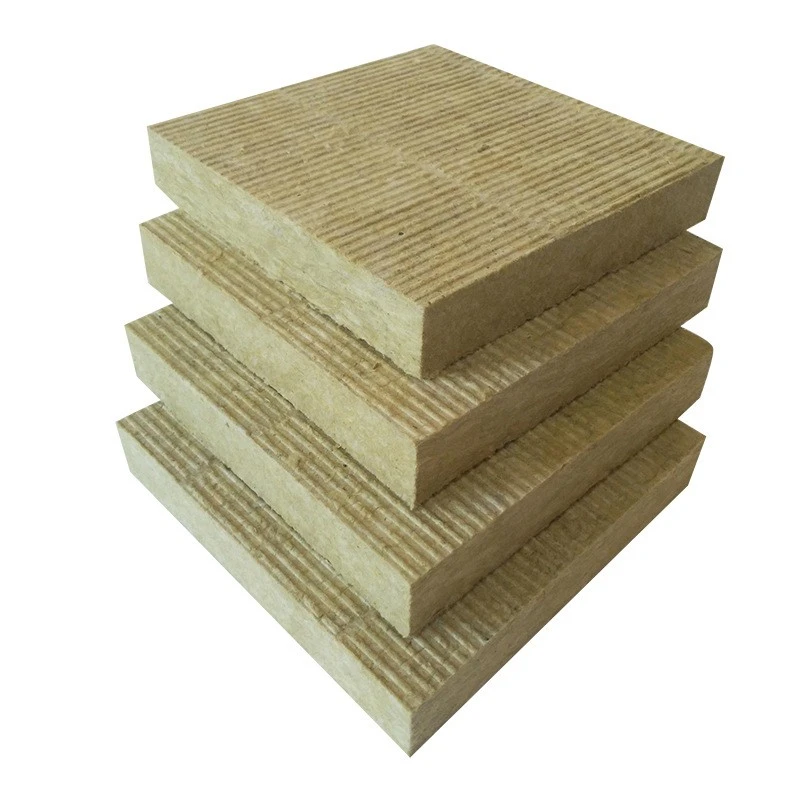
Soundproof Wall Partition Glass Wool Board
Heavy duty rubber stop bumpers are precision-molded elastomeric components designed to limit mechanical travel, absorb heavy kinetic impacts, and reduce noise and vibration between dynamic and stationary assemblies.
Product Specifications & Performance
The correct specification should be selected according to the cavity depth, target acoustic insulation, fire safety codes, and installation methods.
|
Parameter |
Technical Specification |
Test / Standard Reference |
|
Material |
Fine glass wool / fiberglass fibers |
ASTM C665 / EN 13162 |
|
Product Form |
Semi-rigid or rigid insulation board |
-- |
|
Thickness |
25 mm - 150 mm (Customizable to cavity depth) |
EN 823 / ASTM C167 |
|
Density |
24 kg/m3 - 60 kg/m3 (Selected by project requirement) |
EN 1602 / ASTM C303 |
|
Thermal Conductivity |
Low thermal conductivity (0.032 - 0.040 W/mK) |
EN 12667 / ASTM C518 |
|
Sound Absorption |
High sound absorption within cavity (NRC 0.80 - 1.00) |
ISO 354 / ASTM C423 |
|
Fire Rating |
Non-combustible base board options |
EN 13501-1 (Class A1) / ASTM E136 |
|
Facing Options |
Unfaced, aluminum foil (FSK), or black glass tissue |
According to specification |
|
Moisture Resistance |
Hydrophobic / water-repellent options available |
EN 1609 / ASTM C1104 |
|
Dimensions |
Standard sizes or custom panels cut to stud spacing |
EN 822 |
|
Packaging |
Compressed polybags, cartons, or export pallets |
Export packaging standard |
Key Technical Selection Guidelines
Thickness Matching: Choose a thickness that fits the net cavity depth to ensure full coverage without excessive compression or bulging.
Density vs. Acoustic Performance: Higher density does not automatically mean higher sound insulation. Acoustic efficiency depends on balanced airflow resistance, cavity depth, and overall assembly design.
Custom Dimensions: Customizing panel length and width to match stud spacing minimizes manual cutting on site, reducing labor costs and material waste.
Assembly Evaluation: For projects with strict STC or Rw targets, evaluate the total wall assembly using verified test reports rather than focusing solely on the insulation board.
Applications
Office & Commercial Partitions: Absorbs airborne noise in drywall partitions for offices, conference rooms, and commercial spaces to ensure speech privacy.
Hotels & Residential Partitions: Reduces sound transmission between adjacent guest rooms, apartments, and multi-family living units.
Schools & Institutional Buildings: Controls noise transfer between classrooms, corridors, and administrative offices.
Modular & Prefabricated Systems: Supplied in pre-cut dimensions compatible with off-site manufacturing and prefabricated wall panel assembly lines.
Studios & Acoustic Enclosures: Serves as a core sound-absorbing infill within multi-layer wall systems for recording studios and media rooms.
Selection & Ordering Steps
Verify Cavity Depth: Measure the metal stud profile and net cavity depth to determine the exact insulation thickness needed.
Define Acoustic & Fire Targets: Confirm whether the project requires basic cavity sound absorption or certified fire rating / STC ratings.
Select Density and Facing: Choose the density based on acoustic targets, and select unfaced, foil-faced, or tissue-faced configurations.
Specify Panel Sizes: Match panel dimensions to stud centers to streamline job-site installation.
Confirm Compliance Documents: Request technical data sheets, test certificates, and factory quality reports before order confirmation.
Manufacturing & Quality Control
Thickness & Density Tolerances: Continuously inspected post-curing to ensure batch-to-batch consistency (EN 823 / EN 1602).
Dimensional Accuracy: Edges and squareness are verified to guarantee an exact fit inside wall studs.
Export Protection: Compressed packaging and palletization protect boards against moisture and transit damage.
Technical Compliance & Documentation
The following documentation can be provided for project submittal and import customs clearance:
Technical Data Sheet (TDS) & Material Safety Data Sheet (MSDS)
Reaction to Fire Test Reports (EN 13501-1 Class A1 / ASTM E136)
Sound Absorption Test Reports (ISO 354 / ASTM C423)
Thermal Conductivity Test Reports (EN 12667 / ASTM C518)
Factory Certificate of Analysis (COA) & Batch Inspection Records
FAQ
Q: Is glass wool board effective for partition wall soundproofing?
A: Yes. Glass wool board is specifically engineered to absorb mid-to-high frequency airborne sound inside wall cavities, preventing resonance and boosting the acoustic performance of lightweight drywall partitions.
Q: How do I select the right insulation thickness for my wall cavity?
A: Select a board thickness equal to or slightly less than the net cavity depth. The insulation should fill the cavity completely without creating severe compression that could deform the gypsum boards.
Q: Does higher density glass wool always provide better sound insulation?
A: No. Sound reduction is governed by the complete wall system (gypsum board mass, cavity depth, stud isolation, and air sealing). Acoustic absorption relies on optimal airflow resistivity rather than maximum density alone.
Q: Can board sizes be customized to fit non-standard stud spacings?
A: Yes. Custom panel widths and lengths can be produced to match specific stud centers, helping contractors reduce installation time and material cutting waste on site.
Q: What technical certificates are available for project submittals?
A: We can provide Technical Data Sheets (TDS), fire classification test reports (e.g., EN 13501-1 / ASTM E136), acoustic absorption test data (ISO 354 / ASTM C423), and factory quality control reports.
Hot Tags: soundproof wall partition glass wool board, China soundproof wall partition glass wool board manufacturers, suppliers, factory


