

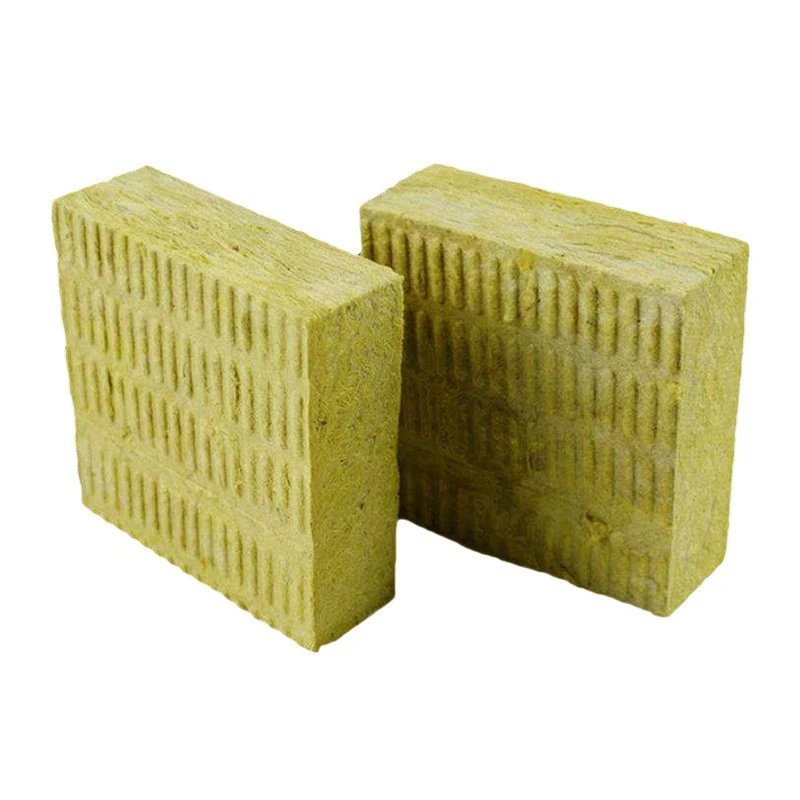
Accurately measuring the thickness of construction rock wool boards is crucial for ensuring the quality and performance of insulation and fire - protection systems in construction projects. As a proud supplier of construction rock wool boards, I've witnessed firsthand the impact of precise thickness measurement on project outcomes. In this blog, I'll share some effective methods and considerations for measuring the thickness of construction rock wool boards.
Why Accurate Measurement Matters
Before delving into measurement methods, it's essential to understand why accurate thickness measurement is so important. Construction rock wool boards are widely used for thermal insulation, soundproofing, and fire protection. The insulation performance of a rock wool board is directly related to its thickness. If a board is thinner than specified, it may not provide the required level of thermal resistance, leading to increased energy consumption in buildings.
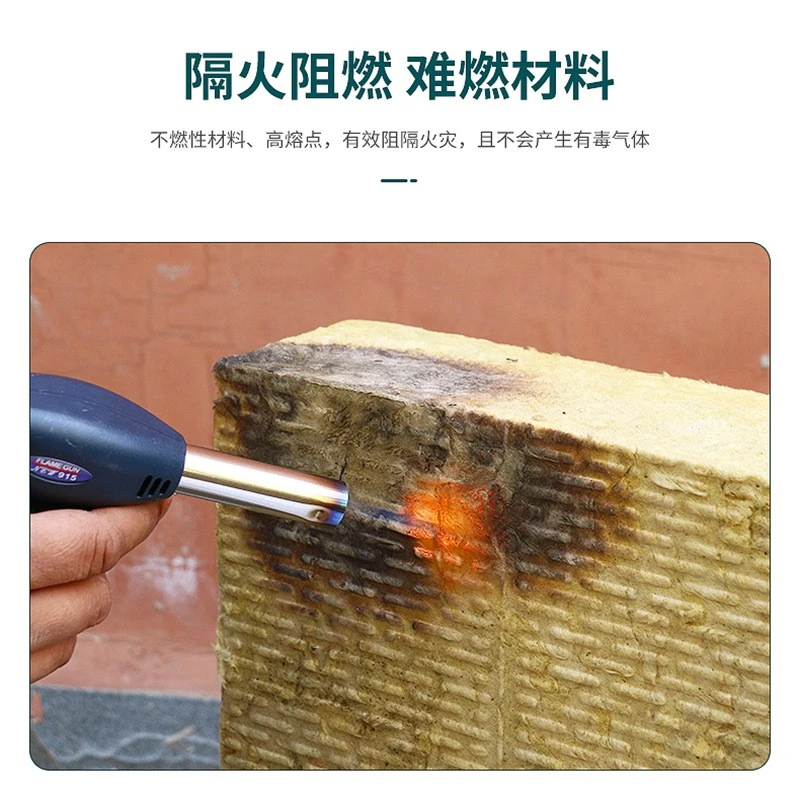
In terms of fire protection, the thickness of a Class A Fire - resistant Rock Wool Board is critical for maintaining the integrity of fire barriers. A thinner board may fail to meet fire - rating requirements, putting the safety of occupants at risk. In addition, accurate thickness measurement helps ensure compliance with building codes and standards, which are designed to safeguard the quality of construction projects.
Preparation for Measurement
Before starting the measurement process, you need to make some necessary preparations. First, collect the required measuring tools. A quality caliper is an indispensable tool for measuring the thickness of rock wool boards. Digital calipers are preferred as they can provide more accurate and easy - to - read measurements. For larger boards or when measuring multiple points, a micrometer or a thickness gauge can also be used.
Ensure that the measuring tools are calibrated correctly. Incorrectly calibrated tools can lead to inaccurate measurements, which can have serious consequences for construction projects. You can use calibration standards provided by the tool manufacturers to verify and adjust the accuracy of your measuring instruments.
Moreover, select a representative sample of the rock wool boards for measurement. If you're dealing with a large batch of boards, randomly select several boards from different locations within the batch to ensure that the measurements represent the overall quality of the products.
Measuring Methods
Direct Measurement with Caliper
The most straightforward method for measuring the thickness of a rock wool board is by using a caliper. First, place the rock wool board on a flat, stable surface. Make sure the surface is clean and free of any debris that could affect the measurement.
Open the caliper jaws wide enough to encompass the thickness of the board. Gently place the jaws on opposite sides of the board, ensuring that they are perpendicular to the surface of the board. Take care not to press too hard on the board, as rock wool is a soft material and excessive pressure can compress it, leading to inaccurate measurements.
Read the measurement value displayed on the caliper. For digital calipers, the value will be shown clearly on the screen. For analog calipers, read the value where the scale lines align. Take multiple measurements at different points on the board to account for any variations in thickness.
Using a Thickness Gauge
A thickness gauge is another useful tool for measuring rock wool board thickness, especially for larger boards. Thickness gauges typically consist of a base and a measuring head. Place the base of the gauge on one side of the board and press the measuring head against the opposite side. The gauge will then provide a measurement of the board's thickness.
This method is particularly suitable when measuring the thickness at multiple points across the board. You can quickly move the gauge to different locations on the board and record the measurements. However, like calipers, ensure that the pressure applied by the measuring head is consistent to avoid compression of the board.
Ultrasonic Thickness Measurement
For more complex situations or when non - destructive testing is required, ultrasonic thickness measurement can be employed. Ultrasonic thickness gauges work by sending an ultrasonic wave through the material. The wave reflects off the back surface of the board, and the gauge measures the time it takes for the wave to travel back. Based on the known speed of sound in the rock wool material, the gauge can calculate the thickness of the board.
One of the advantages of ultrasonic measurement is that it can provide measurements without physically contacting the board surface, which is useful for measuring boards that are already installed or in hard - to - reach locations. However, this method requires specialized equipment and trained operators to ensure accurate results.
Factors Affecting Measurement Accuracy
Compression of the Rock Wool
As mentioned earlier, rock wool is a soft and compressible material. Any force applied during the measurement process can cause compression, resulting in an underestimate of the actual thickness. To minimize compression, use the lightest pressure possible when using measuring tools. If necessary, take several measurements at each point and use the average value to reduce the impact of compression.
Board Surface Irregularities
The surface of rock wool boards may have some irregularities, such as bumps or depressions. These irregularities can affect the accuracy of measurement. When using a caliper or a thickness gauge, try to place the measuring points on relatively flat areas of the board. If the surface irregularities are significant, you may need to take multiple measurements around the area and calculate an average to get a more accurate result.
Temperature and Humidity
Temperature and humidity can also affect the thickness of rock wool boards. Rock wool can absorb moisture from the environment, which may cause it to expand. High temperatures can cause the fibers in the rock wool to shrink. To ensure accurate measurement, it's best to measure the boards under standard environmental conditions (e.g., a temperature of 23°C and a relative humidity of 50%). If the measurement has to be done under non - standard conditions, appropriate corrections may need to be made.
Our Product Range and Quality Assurance
As a construction rock wool board supplier, we offer a wide range of high - quality products. Our High Density Rock Wool Board is known for its excellent strength and insulation performance. It's suitable for applications where high - load - bearing capacity is required.
Our Thermal Insulation Rock Wool Board is designed to provide superior thermal resistance, helping to reduce energy consumption in buildings. The Mineral Wool Insulation Board combines the advantages of natural minerals and insulation technology, offering reliable performance in various construction projects.
In addition, our Hydrophobic Rock Wool Board is treated to resist moisture absorption, ensuring long - term durability even in humid environments. We strictly control the thickness of our products during the manufacturing process and conduct thorough quality inspections to ensure that each board meets the specified thickness requirements.
Conclusion and Call to Action
Accurately measuring the thickness of construction rock wool boards is a critical step in ensuring the success of construction projects. By using the right tools and methods, and taking into account the factors that can affect measurement accuracy, you can obtain reliable thickness measurements.
As a trusted supplier of construction rock wool boards, we are committed to providing high - quality products that meet your project needs. If you're interested in our products or have any questions about measuring the thickness of rock wool boards, please feel free to contact us for further discussion and procurement opportunities.
References
- ASTM C612 Standard Specification for Mineral - Fiber Blanket Thermal Insulation for Light Frame Construction.
- ISO 9053 - 1:2018 Thermal insulation — Determination of steady - state thermal resistance and related properties — Part 1: Heat flow meter apparatus.
- EN 13162 Thermal insulation products for buildings — Factory - made mineral wool (MW) products — Specification.