

As a provider of Rock Wool Pipe Insulation, I often encounter inquiries regarding the moisture resistance of our product, a crucial aspect that can significantly influence its performance and applications. This blog aims to delve into the scientific and practical implications of rock wool pipe insulation's moisture resistance, enabling you to make informed decisions for your projects.
Understanding Rock Wool Pipe Insulation
Rock wool pipe insulation is fabricated from natural rocks, such as basalt and diabase, which are melted at high temperatures and then spun into fine fibers. These fibers form a dense and porous structure that provides excellent thermal insulation properties, as well as acoustic insulation and fire resistance. The insulation material is commonly used in a variety of industrial and commercial applications, including heating, ventilation, and air conditioning (HVAC) systems, pipelines, and boilers, to prevent heat loss, reduce energy consumption, and enhance operational safety.
Moisture Resistance Mechanisms of Rock Wool
The moisture resistance of rock wool pipe insulation relies on several factors inherent to its composition and structure. First, the fine fibers within the rock wool create a tortuous path for moisture to penetrate. When water vapor tries to reach through the insulation, it has to navigate around these intricate fibers, which significantly slows down the diffusion process.
Second, most manufacturers treat rock wool with water - repellent agents during the production process. These agents coat the surface of the fibers, making them hydrophobic. As a result, water droplets are more likely to bead up and roll off rather than be absorbed into the insulation material.
However, it is essential to understand that while rock wool has some degree of moisture resistance, it is not entirely impervious to water. Prolonged exposure to high - humidity environments or direct contact with water can eventually lead to moisture ingress.
Impact of Moisture on Rock Wool Pipe Insulation
When rock wool pipe insulation absorbs moisture, several negative consequences can occur. Firstly, the thermal performance of the insulation is severely compromised. Water has a much higher thermal conductivity compared to air, which is the primary insulating medium within the rock wool structure. As water occupies the pores between the fibers, the overall heat transfer rate increases, leading to reduced energy efficiency.
Secondly, moisture can cause the degradation of the rock wool fibers over time. The presence of water can facilitate chemical reactions, such as corrosion in cases where the pipes are made of metal, and also weaken the physical structure of the insulation. This can result in the insulation becoming less dense and less effective, and in extreme cases, the fibers may start to break down and lose their insulating properties completely.
Lastly, a moist environment can promote the growth of mold and mildew. These microorganisms not only pose a health risk to the occupants of a building but can also further damage the insulation material. Mold growth can also lead to unpleasant odors and staining of the insulation.
Testing and Certification
To ensure the quality and moisture resistance of rock wool pipe insulation, it undergoes rigorous testing. Industry standards such as ASTM C612 (Standard Specification for Mineral Fiber Pipe Insulation) provide guidelines for testing the moisture absorption and vapor permeability of insulation materials. These tests simulate various environmental conditions to evaluate how well the insulation can withstand moisture.
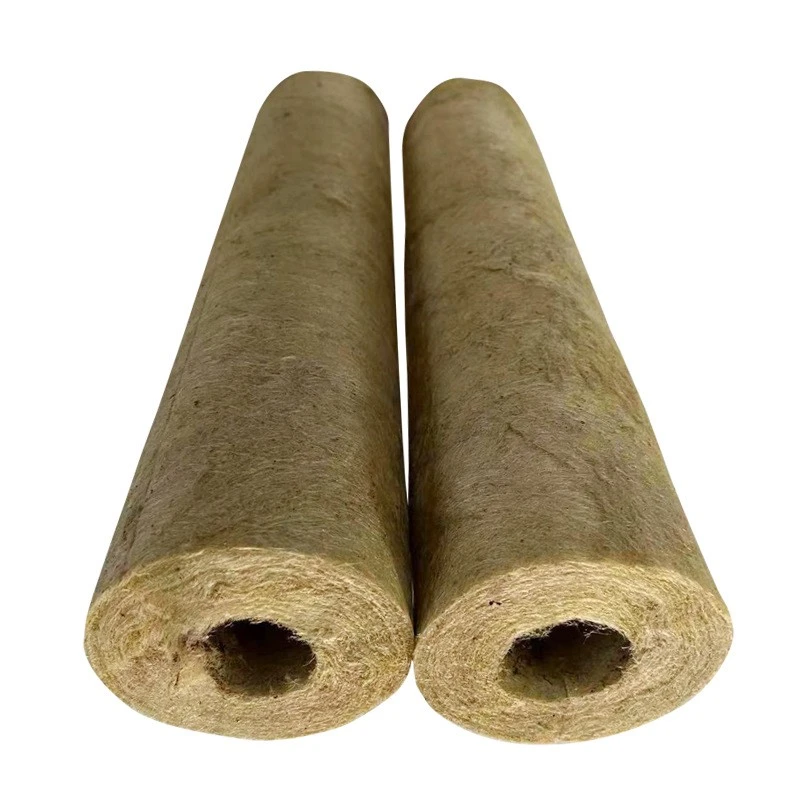
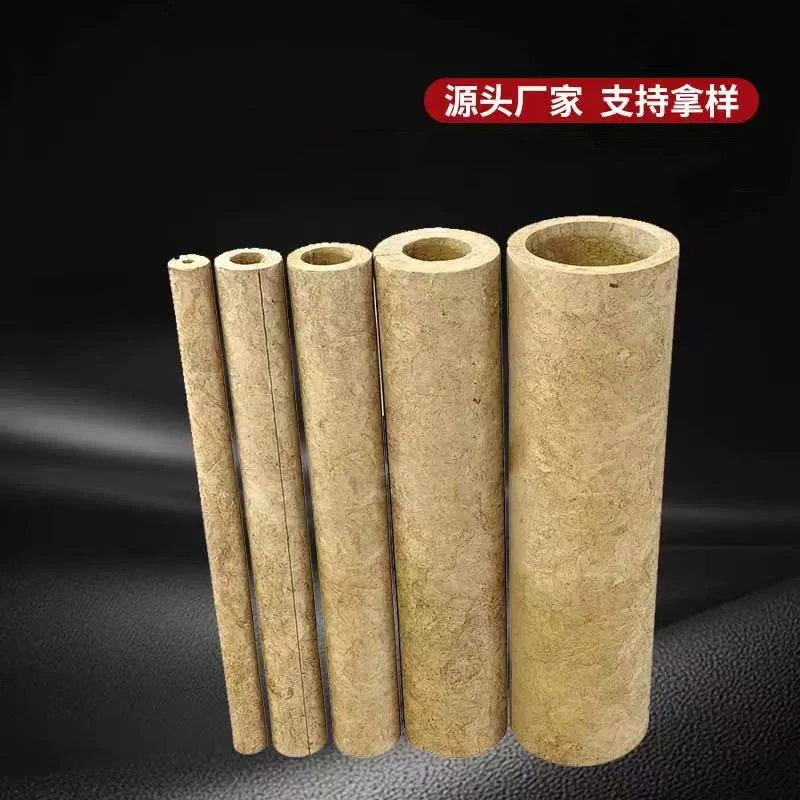
When choosing a rock wool pipe insulation product, look for certifications that indicate compliance with these standards. A product that meets or exceeds these requirements is more likely to have reliable moisture - resistant properties under normal operating conditions.
Real - World Applications and Considerations
In real - world applications, the level of moisture resistance required for rock wool pipe insulation depends on the specific environment. For example, in a dry indoor environment, such as an office building's HVAC duct system, the moisture - resistant properties of standard rock wool insulation may be sufficient. However, in more challenging environments, such as outdoor pipelines or industrial facilities with high humidity, additional protective measures may be necessary.
One common approach is to use a vapor barrier in conjunction with the rock wool insulation. A vapor barrier is a material, such as a plastic film or aluminum foil, that has low vapor permeability. It is installed on the warm side of the insulation to prevent water vapor from diffusing into the insulation.
Another consideration is the installation process. Proper installation is crucial to maintaining the moisture resistance of rock wool pipe insulation. Any gaps or seams in the insulation can provide a pathway for moisture to enter. Therefore, it is essential to ensure a tight fit and use appropriate sealing materials during installation.
Our Rock Wool Pipe Insulation Offerings
At our company, we take pride in offering high - quality Rock Wool Pipe Insulation that has been formulated to provide excellent moisture resistance. Our products are manufactured using advanced techniques and treated with the latest water - repellent agents to maximize their performance.
We understand that different projects have different requirements, and we offer a range of rock wool pipe insulation products with varying levels of moisture resistance to suit your specific needs. Whether you are working on a small residential project or a large - scale industrial installation, our team of experts can help you select the most appropriate product.
Contact Us for Procurement and Consultation
If you are considering using rock wool pipe insulation for your next project, we encourage you to reach out to us. Our experienced sales team can provide you with detailed product information, technical specifications, and pricing. We are also available to offer consultation services to ensure that you choose the right insulation solution for your unique requirements.
Investing in high - quality, moisture - resistant rock wool pipe insulation can lead to long - term energy savings, improved system performance, and reduced maintenance costs. Don't hesitate to make the smart choice for your project. Contact us today to start discussing your procurement needs.
References
- ASTM C612 - Standard Specification for Mineral Fiber Pipe Insulation.
- Industry research reports on the performance of rock wool insulation in different environments.
- Technical literature provided by rock wool manufacturers on moisture - resistant treatments and product features.