

Hey there! As a foam pipe sleeve supplier, I often get asked about the lifespan of these nifty little products. So, I thought I'd take a deep dive into this topic and share everything I know with you.
Let's start off by understanding what foam pipe sleeves are. These are basically insulating materials that are wrapped around pipes to keep the temperature of the fluid inside stable, prevent heat loss, and also protect the pipes from freezing. They're super common in HVAC systems, plumbing, and even in some industrial applications.
Now, what factors actually affect the lifespan of a foam pipe sleeve? Well, there are quite a few.
1. Material Quality
The quality of the foam material used in the sleeve is a huge deal. High - quality foam is made from durable polymers that can withstand a lot of wear and tear. For example, some of our top - of - the - line foam pipe sleeves are made from closed - cell rubber - plastic foam. This type of foam has a tight cell structure that not only provides excellent insulation but also resists moisture penetration. Moisture can be really bad for foam pipe sleeves as it can lead to mold growth, degradation of the material, and a decrease in insulation performance. On the flip side, low - quality foam might start to break down within a few years, especially if it's exposed to harsh conditions.
2. Environmental Conditions
Where the foam pipe sleeve is installed plays a big role in how long it'll last. If it's in an area with extreme temperatures, like a very hot attic or a freezing basement, it can put a lot of stress on the material. High temperatures can cause the foam to expand and contract, which over time can lead to cracks and a loss of insulation effectiveness. Cold temperatures, on the other hand, can make the foam brittle and more prone to damage.
Exposure to sunlight is another factor. UV rays can degrade the foam, causing it to become discolored, brittle, and eventually start to crumble. That's why if you have foam pipe sleeves installed outdoors, it's important to use ones that are specifically designed to resist UV damage.
Moisture is also a major environmental concern. As I mentioned earlier, if the foam gets wet, it can lead to all sorts of problems. Areas with high humidity or where there's a risk of water leaks are particularly challenging for foam pipe sleeves.
3. Installation Quality
You can have the best - quality foam pipe sleeve in the world, but if it's not installed correctly, its lifespan will be significantly reduced. A proper installation means making sure the sleeve fits snugly around the pipe, there are no gaps or overlaps, and it's securely fastened. If there are gaps, air can leak in and out, reducing the insulation efficiency. And if the sleeve isn't fastened properly, it can shift or come loose over time, leaving the pipe exposed.
4. Chemical Exposure
In some industrial settings, foam pipe sleeves might be exposed to chemicals. These chemicals can react with the foam material, causing it to deteriorate. For example, certain solvents or acids can break down the polymers in the foam, making it weak and less effective as an insulator.
So, with all these factors in mind, what's a rough estimate of the lifespan of a foam pipe sleeve?
On average, a well - made and properly installed foam pipe sleeve can last anywhere from 10 to 20 years. However, this is just a ballpark figure. If the sleeve is made from high - quality material, installed in a relatively mild environment, and not exposed to any harsh chemicals or excessive moisture, it could last even longer, maybe up to 25 years or more.
On the other hand, if it's a low - quality sleeve, installed in a tough environment like an outdoor area with high UV exposure and extreme temperature fluctuations, it might only last 5 to 10 years.
Now, let's talk about some of the different types of foam pipe sleeves we offer and how their lifespans might vary.
We have the Insulated Copper Pipe for Air Conditioner. This type of foam pipe sleeve is designed specifically for air conditioning systems. It's made from high - quality foam that provides excellent insulation and can handle the temperature changes associated with air conditioning. In a well - maintained AC system, this sleeve can last around 15 - 20 years, as long as it's installed correctly and the system isn't subject to any major issues that could affect the sleeve.
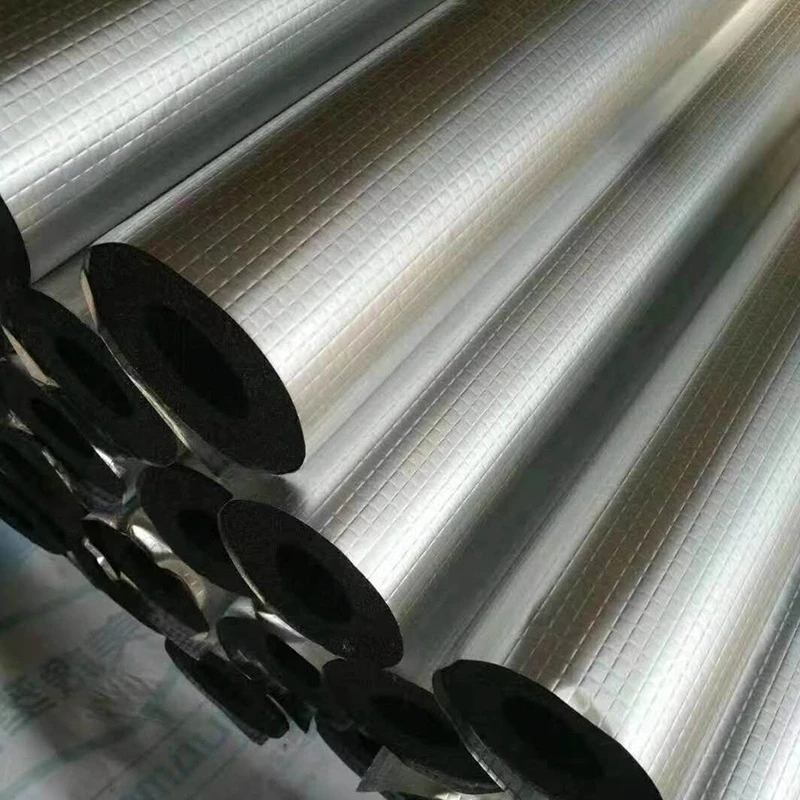
The Aluminum Foil Composite Rubber - Plastic Insulation Tube is another great option. The aluminum foil adds an extra layer of protection. It helps to reflect heat and also provides some resistance to UV rays. In most indoor applications, this type of sleeve can last 15 - 25 years. It's a more durable option, especially in areas where there's a risk of heat transfer or some minor exposure to sunlight.
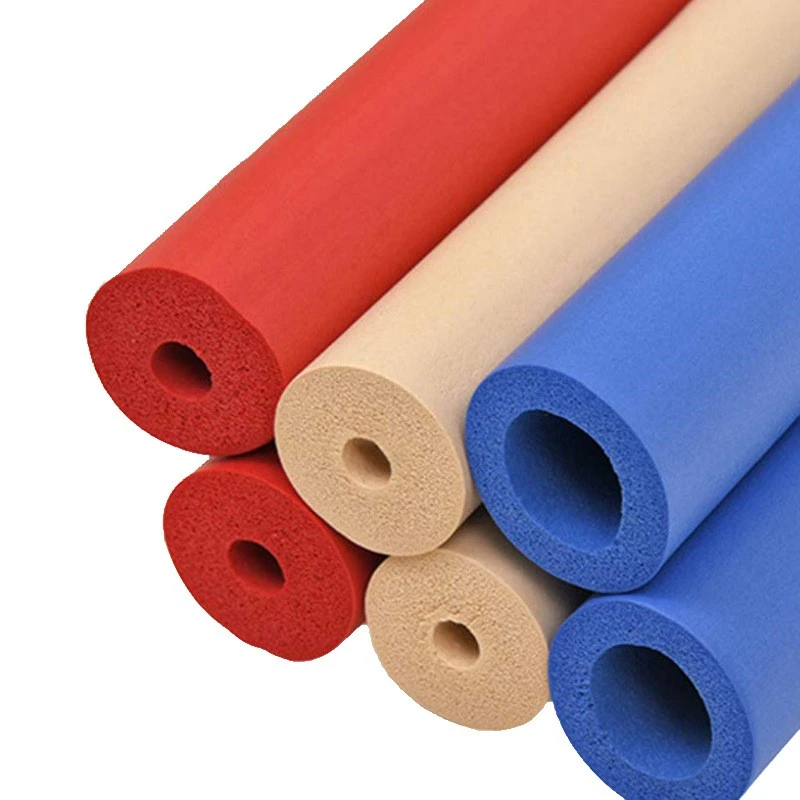
Our Colored Rubber - Plastic Pipe Insulation is not only functional but also looks great. The colored finish is just as durable as the regular foam. In normal indoor plumbing applications, it can last 10 - 15 years. It's important to make sure it's installed away from any sources of excessive heat or moisture, as this can affect its lifespan.
To ensure that your foam pipe sleeves last as long as possible, here are some tips:
- Choose high - quality products: Don't skimp on the quality. Investing in a good foam pipe sleeve will save you money in the long run as you won't have to replace it as often.
- Proper installation: Hire a professional or follow the installation instructions carefully. Make sure the sleeve fits well and is securely fastened.
- Regular maintenance: Periodically check the sleeves for any signs of damage, such as cracks, leaks, or mold growth. If you notice any issues, address them right away.
- Protect from the elements: If possible, install the sleeves in areas where they're protected from direct sunlight, extreme temperatures, and moisture.
If you're in the market for foam pipe sleeves, whether it's for a new project or to replace some old ones, we're here to help. We have a wide range of high - quality foam pipe sleeves that are designed to last. And if you have any questions about which type is best for your specific needs or how to install them, just reach out to us. We'd be more than happy to have a chat and help you make the right choice.
Let's work together to ensure your pipes are well - insulated and your systems run smoothly for years to come. Whether you have a small residential project or a large industrial one, we've got the products and expertise to meet your needs. So, don't hesitate to start a conversation with us about your foam pipe sleeve requirements.
References
- "Handbook of Insulation Materials", John Wiley & Sons
- "HVAC System Design and Installation", McGraw - Hill Education