

As a seasoned glass wool blanket supplier, I often encounter inquiries about the various aspects of our products. One question that has piqued the interest of many customers is how the color of glass wool blanket affects its performance. In this blog post, I will delve into this topic, exploring the relationship between color and performance based on scientific knowledge and practical experience.
Understanding Glass Wool Blankets
Before we discuss the impact of color, let's briefly understand what glass wool blankets are. Glass wool is a type of insulation material made from fine glass fibers. These fibers are spun into a wool - like material and then formed into blankets. Our Glass Wool Roll Blanket and Aluminum Foil - Faced Glass Wool Blanket are popular choices in the market due to their excellent insulation properties, fire - resistance, and sound - absorption capabilities.
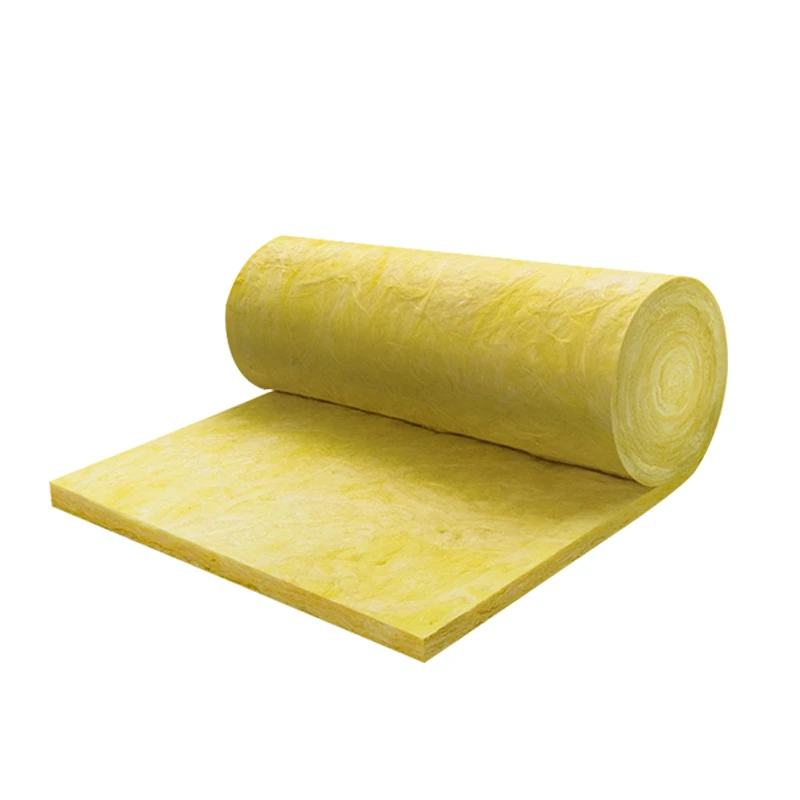
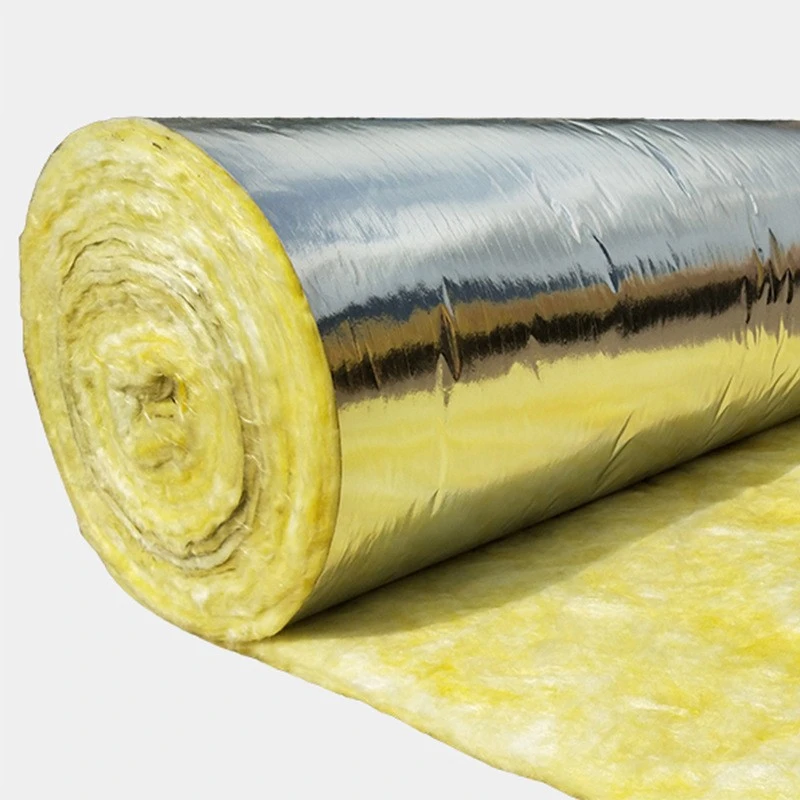
The Role of Color in Glass Wool Blankets
1. Color and Chemical Composition
The color of a glass wool blanket is often determined by the chemical additives used during the manufacturing process. Different minerals or pigments are added to achieve various colors. For example, a white glass wool blanket may be the result of using pure materials without much coloring agents. In contrast, a colored blanket might have additives like iron oxide to create a reddish - brown color or other metal oxides for different hues.
The chemical composition affects the performance of the blanket in several ways. Some additives can enhance the fire - resistance property. For instance, certain inorganic pigments can act as a fire retardant, reducing the combustibility of the glass wool. However, it's important to note that the addition of too many pigments may also have a negative impact. If the pigments are not well - integrated with the glass fibers, they could potentially weaken the overall structure of the blanket, leading to reduced durability.
2. Color and Heat Absorption
Color plays a significant role in the heat absorption of glass wool blankets. According to the basic principle of physics, darker colors absorb more heat than lighter colors. A black or dark - colored glass wool blanket will absorb a larger amount of solar radiation compared to a white or light - colored one when exposed to sunlight.
In an insulation application, this property can be both an advantage and a disadvantage. In a cold climate, a dark - colored blanket can absorb more heat from the sun, which can help in reducing the heating load inside a building. On the other hand, in a hot climate, a light - colored blanket is more desirable as it reflects more sunlight and heat, preventing the building from overheating. This is especially important for buildings with large exposed areas, such as industrial warehouses or greenhouses.
3. Color and Aesthetics
While aesthetics may not directly affect the technical performance of the glass wool blanket, it is an important consideration for many customers. The color of the blanket can blend in with the surrounding environment or match the interior design of a building. For example, in a modern - looking office building, a white or light - gray glass wool blanket can give a clean and professional appearance. In contrast, in an industrial setting where a more rugged look is acceptable, a darker - colored blanket may be more suitable.
Case Studies and Practical Applications
1. Industrial Insulation
In industrial facilities, the choice of color can be influenced by the specific requirements of the insulation application. For high - temperature pipes and equipment, a dark - colored glass wool blanket may be used in areas where the additional heat absorption can be beneficial. For example, in a power plant, where there is a need to pre - heat certain fluids, a dark - colored blanket wrapped around the pipes can absorb solar heat during the day, reducing the energy required for heating.
However, in areas where the temperature needs to be tightly controlled, such as in cleanrooms or laboratories, a light - colored blanket is often preferred. It helps in maintaining a stable internal temperature by reflecting external heat.
2. Residential Insulation
In residential buildings, the color of the glass wool blanket is often chosen based on aesthetics and heating/cooling requirements. In colder regions, homebuilders might opt for a slightly darker - colored blanket in the attic or exterior walls to take advantage of the additional heat absorption. In warmer regions, a light - colored blanket can be installed to keep the house cool.
3. Sound - Absorption Applications
In acoustic applications, the color of the glass wool blanket has little direct impact on its sound - absorption performance. The sound - absorption capability of glass wool is primarily determined by the density and fiber structure of the material. However, color can still play a role in the overall design of a sound - proof room. For example, a sound - recording studio may choose a black or dark - colored blanket to create a more professional and non - reflective environment.
Quality Assurance and Color
As a supplier, we ensure that the color does not compromise the quality and performance of our glass wool blankets. We conduct extensive quality control tests to verify that the chemical additives used for coloring do not degrade the physical and thermal properties of the product. Our manufacturing process is carefully optimized to ensure that the color is evenly distributed and that the blanket maintains its integrity over time.
Conclusion
In conclusion, the color of a glass wool blanket can have a significant impact on its performance in various aspects, including heat absorption, fire - resistance, and aesthetics. Customers should carefully consider their specific needs and the environmental conditions when choosing the color of the glass wool blanket. Whether it's for industrial, residential, or acoustic applications, the color choice should be made in conjunction with other performance factors.
If you are interested in purchasing glass wool blankets and need further information on the color options and their performance implications, please feel free to reach out to us. Our team of experts is ready to assist you in making the right choice for your specific project.
References
- "Insulation Materials: Properties and Applications" - A comprehensive book on insulation materials, providing in - depth knowledge about the composition and performance of glass wool.
- "The Physics of Heat Transfer" - A scientific publication that explains the principles of heat absorption and reflection related to different colors.
- Industry reports on the use of glass wool blankets in various sectors, which offer real - world examples of color - related performance considerations.