

Hey there! As a supplier of rock wool mats, I've seen firsthand the wide range of quality that exists among different manufacturers. In this blog post, I'm gonna share my insights on how the quality of rock wool mats can vary from one manufacturer to another.
Raw Materials
The quality of rock wool mats starts with the raw materials used in their production. High - quality manufacturers typically use high - grade basalt rock or a combination of basalt and other minerals. Basalt rock is known for its excellent thermal and acoustic insulation properties. When the basalt is of good quality, it can be melted at the right temperature to form fine fibers that make up the rock wool mat.
On the other hand, some manufacturers might cut corners by using lower - grade rocks or adding a large proportion of waste materials. These sub - standard raw materials can lead to rock wool mats with inconsistent fiber diameters and lower density. As a result, the insulation performance of the mat is compromised. For example, a rock wool mat made from high - quality basalt might have a much better thermal conductivity rating (like around 0.03 - 0.04 W/mK) compared to one made from inferior raw materials, which could have a rating upwards of 0.05 W/mK.
Manufacturing Process
The manufacturing process is another crucial factor that affects the quality of rock wool mats. Top - notch manufacturers have advanced production lines equipped with state - of - the - art technology. They closely monitor every stage of the process, from melting the raw materials to fiberizing and forming the mat.
During the melting process, precise temperature control is essential. If the temperature is too high or too low, the fibers won't be formed properly. High - quality manufacturers use advanced furnaces that can maintain a stable temperature, ensuring uniform fiber formation.
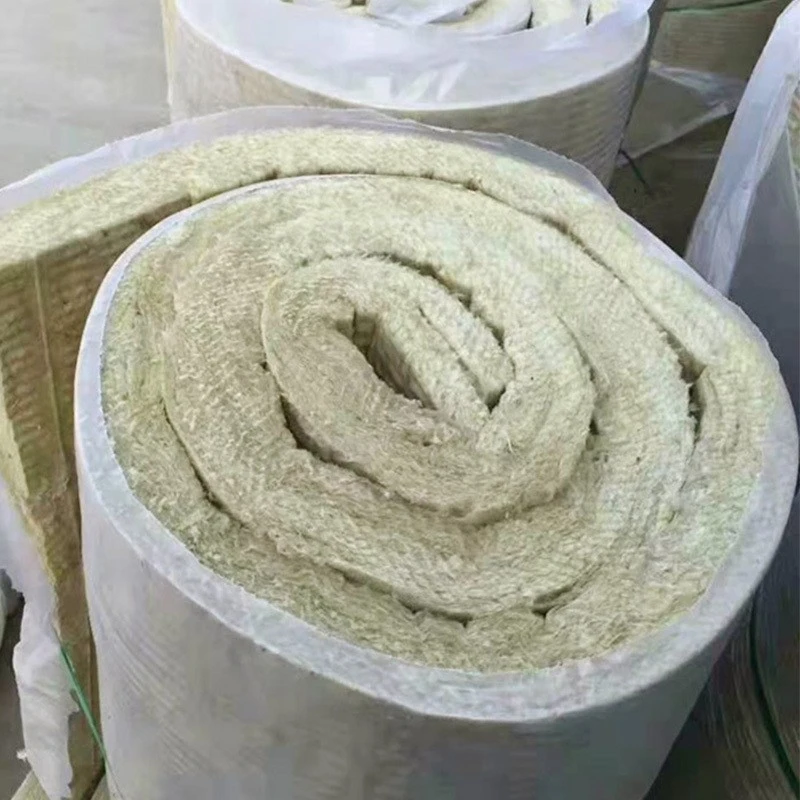
In the fiberizing stage, the way the molten rock is spun into fibers also matters. Some manufacturers use advanced spinning techniques that produce long, thin, and uniform fibers. These fibers are then laid out in a more organized way during the mat - forming process, which contributes to better insulation and mechanical strength.
Cheaper manufacturers, however, may use outdated equipment and less precise manufacturing methods. This can result in mats with uneven fiber distribution, clumps of fibers, and a lot of loose fibers that can easily fall off. Such mats are not only less effective in terms of insulation but also pose a health risk as the loose fibers can be inhaled.
Quality Control Measures
Quality control is a big deal when it comes to rock wool mat production. Reputable manufacturers have strict quality control procedures in place. They test their products at multiple stages of production. For example, they might test the density of the mat at regular intervals to ensure it meets the specified standards. A proper density measurement is crucial as it directly impacts the insulation and fire - resistance properties of the mat.
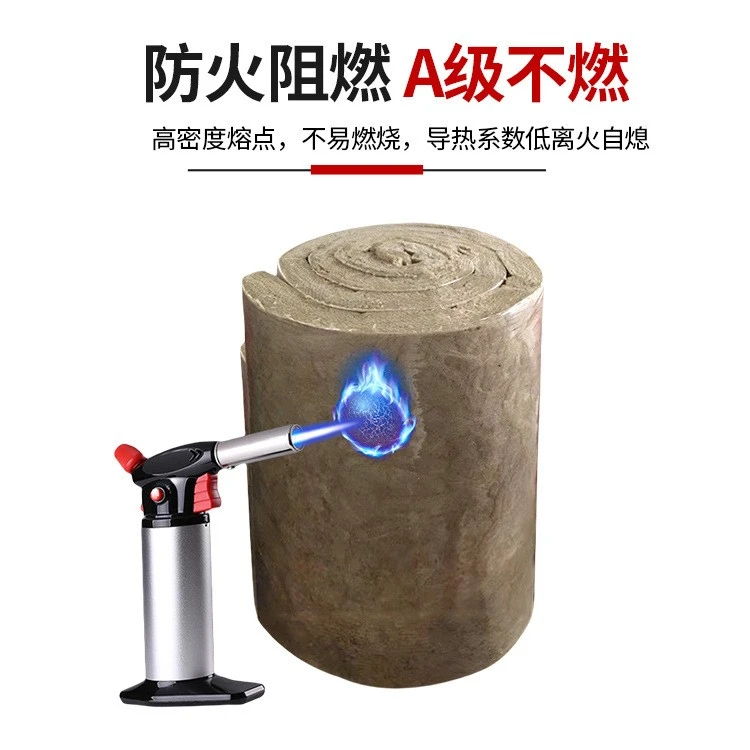
They also conduct tests on thermal conductivity, acoustic absorption, and fire resistance. For thermal conductivity tests, they use specialized equipment to accurately measure how well the mat can resist heat transfer. In terms of fire resistance, they check if the mat can withstand high temperatures without catching fire or releasing toxic fumes.
In contrast, some manufacturers don't invest in proper quality control. They might produce large batches of rock wool mats without thoroughly testing each one. This means that the end - user could end up with a product that doesn't perform as expected. You might buy a rock wool mat thinking it has a certain fire - rating, but in reality, it fails to meet the safety standards.
Product Certification
Certification is a good indicator of a rock wool mat's quality. Well - known manufacturers often go through the process of getting their products certified by international or national standards organizations. For example, in Europe, the CE marking indicates that the product meets certain safety, health, and environmental protection requirements.
Certified products are more likely to have been tested and verified to meet specific quality benchmarks. When you see a rock wool mat with a recognized certification, you can have more confidence in its performance. However, some manufacturers may claim that their products meet certain standards without actually having the proper certification. This is a red flag, and you should be cautious when dealing with such suppliers.
Customer Reviews and Reputation
Customer reviews can tell you a lot about the quality of a manufacturer's rock wool mats. You can check online platforms to see what other customers have to say about a particular brand. Positive reviews often mention things like good insulation performance, easy installation, and durability.
A manufacturer with a good reputation in the market is more likely to produce high - quality products. They have built their name over time by consistently providing reliable and effective rock wool mats. On the other hand, a manufacturer with a lot of negative reviews, especially those related to poor quality, should be avoided.
Cost - Quality Relationship
It's important to understand the relationship between cost and quality when it comes to rock wool mats. Generally, high - quality rock wool mats from well - established manufacturers tend to be more expensive. This is because they invest in better raw materials, advanced manufacturing processes, and comprehensive quality control.
However, this doesn't mean that you should always go for the most expensive option. There are some mid - range manufacturers that offer good - quality products at a reasonable price. You need to do your research, compare different products, and consider your specific requirements before making a decision.
If you're looking for a high - quality Rock Wool Insulation Blanket, it's worth spending a bit more to ensure that you get a product that will perform well and last a long time.
In conclusion, the quality of rock wool mats can vary significantly among different manufacturers. Factors like raw materials, manufacturing process, quality control, certification, and reputation all play a role in determining the quality of the final product. If you're in the market for rock wool mats, take the time to do your due diligence and choose a manufacturer that offers high - quality products.
If you're interested in purchasing rock wool mats, don't hesitate to reach out for a procurement discussion. We're more than happy to help you find the right product for your needs.
References
- Industry reports on insulation materials
- Technical manuals from leading rock wool mat manufacturers