

Hey there! As a supplier of glass wool blankets, I often get asked about the moisture vapor transmission rate (MVTR) of these products. It's a crucial factor, especially when it comes to understanding how well glass wool blankets can perform in different environments. So, let's dive right in and break down what MVTR is and how it relates to glass wool blankets.
What is Moisture Vapor Transmission Rate?
First off, MVTR is a measure of how much water vapor can pass through a material over a specific period. It's usually expressed in units like grams per square meter per 24 hours (g/m²/24h). A high MVTR means that more water vapor can pass through the material, while a low MVTR indicates that the material is more resistant to moisture vapor penetration.
In construction and insulation applications, understanding MVTR is super important. Moisture can cause all sorts of problems, like mold growth, rotting of building materials, and reduced insulation performance. So, having a material with the right MVTR can help keep buildings dry and energy - efficient.
MVTR of Glass Wool Blankets
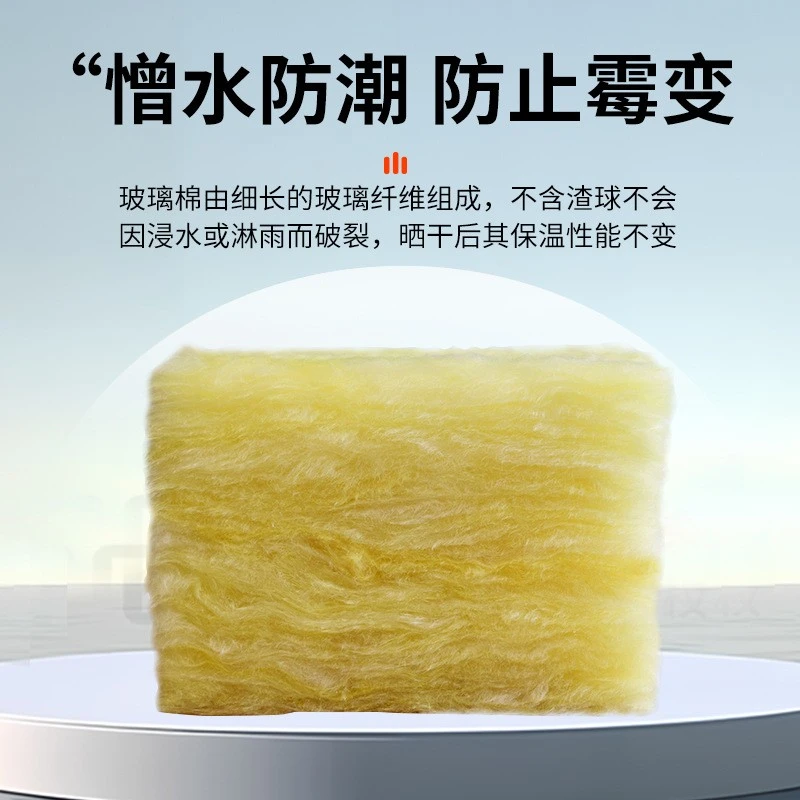
Glass wool blankets are made from fine fibers of glass. These fibers create a porous structure that allows air to circulate within the blanket. Now, when it comes to MVTR, glass wool blankets generally have a relatively high MVTR compared to some other insulation materials.
The porous nature of glass wool means that water vapor can move through it more easily. This can be a good thing in some situations. For example, in areas where there's a lot of humidity, a material with a higher MVTR can help prevent the build - up of moisture within the building envelope. The water vapor can pass through the glass wool and escape, reducing the risk of moisture - related damage.
However, in some cases, a high MVTR might not be ideal. If you're in an environment where there's a constant source of moisture, like a basement with a water seepage problem, you might want to take additional steps to control moisture. One way to do this is by using a vapor retarder in combination with glass wool blankets.
Factors Affecting the MVTR of Glass Wool Blankets
There are several factors that can influence the MVTR of glass wool blankets:
Density
The density of the glass wool blanket plays a role. Generally, higher - density glass wool blankets have a lower MVTR. This is because the fibers are more closely packed together, making it more difficult for water vapor to pass through. But keep in mind that higher - density blankets might also be more expensive and less flexible.
Facing Materials
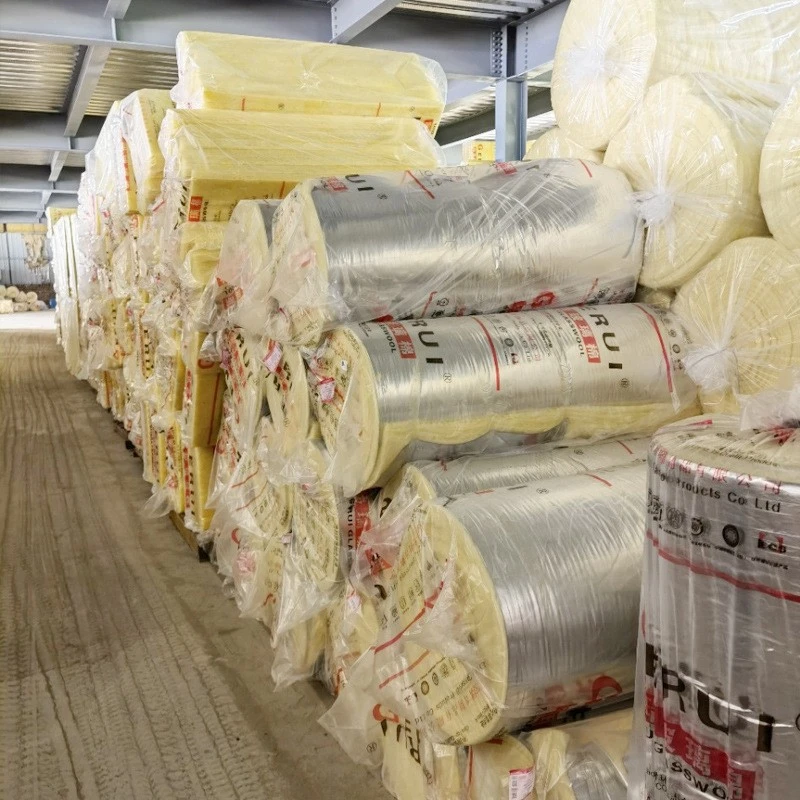
Many glass wool blankets come with facing materials. For example, an Aluminum Foil - Faced Glass Wool Blanket. The aluminum foil acts as a vapor retarder, significantly reducing the MVTR of the blanket. On the other hand, a Glass Wool Roll Blanket without a facing will have a higher MVTR.
Temperature and Humidity
The temperature and humidity of the surrounding environment can also affect the MVTR. Higher humidity levels mean there's more water vapor in the air, which can increase the rate of moisture vapor transmission through the glass wool blanket. Similarly, higher temperatures can speed up the movement of water vapor molecules, leading to a higher MVTR.
Importance of MVTR in Different Applications
Residential Buildings
In residential construction, understanding the MVTR of glass wool blankets is crucial for ensuring a comfortable and healthy living environment. In areas with high humidity, using a glass wool blanket with an appropriate MVTR can help prevent mold growth and protect the structural integrity of the home. For example, in attics, good ventilation and a suitable MVTR can keep the attic dry, reducing the risk of ice dams in winter.
Commercial Buildings
Commercial buildings often have different insulation requirements. For large warehouses, where there might be a lot of air movement, a glass wool blanket with a relatively high MVTR can work well. It allows moisture to escape, preventing condensation and potential damage to stored goods. In offices, on the other hand, where comfort and energy efficiency are key, a combination of glass wool blankets with vapor retarders might be used to control indoor humidity levels.
How We Ensure the Right MVTR in Our Glass Wool Blankets
As a supplier, we take several steps to ensure that our glass wool blankets have the appropriate MVTR for different applications. We carefully control the manufacturing process to achieve the desired density. This allows us to offer a range of products with different MVTR characteristics.
We also offer a variety of facing options. Whether you need an aluminum foil - faced blanket for maximum moisture protection or a plain glass wool roll blanket for a less demanding application, we've got you covered.
We conduct regular testing to measure the MVTR of our products. This helps us ensure that our glass wool blankets meet or exceed industry standards. By doing so, we can provide our customers with high - quality insulation materials that perform as expected.
Why Choose Our Glass Wool Blankets
Our glass wool blankets are made with the highest quality materials and strict manufacturing processes. This ensures not only the right MVTR but also excellent thermal and acoustic insulation properties.
We have a wide range of products to suit different needs and budgets. Whether you're working on a small residential project or a large commercial building, we can provide the right glass wool blanket for you.
We also offer great customer service. Our team is always ready to answer your questions about MVTR, installation, and any other concerns you might have about our products.
Ready to Make a Purchase?
If you're in the market for glass wool blankets and want to know more about how our products can meet your specific MVTR requirements, don't hesitate to reach out. We're here to help you choose the best insulation solution for your project. Whether you need advice on product selection or want to discuss pricing, we're just a message away. Let's start a conversation and find the perfect glass wool blanket for you!
References
- ASHRAE Handbook - Fundamentals. This handbook provides in - depth information on moisture vapor transmission and insulation materials.
- Technical documents from glass wool manufacturers. These documents often contain detailed data on the MVTR of their products.